

The Allure of Risk and Reward
The allure of gambling is often tied to the thrill of risk and the excitement of potential reward. Many individuals are drawn to the possibility of winning large sums of money, which creates an exhilarating rush that keeps them returning for more. This psychological phenomenon is rooted in the brain’s reward system. The anticipation of a lucrative win triggers the release of dopamine, a neurotransmitter linked to pleasure and motivation. For those looking to explore options, casino rocket australia offers an exciting adventure, compelling individuals to take risks they might otherwise avoid in their everyday lives.
However, the excitement of gambling extends beyond mere financial gain. The vibrant social atmosphere prevalent in casinos plays a significant role in enhancing the overall experience. Being surrounded by others who share a similar passion amplifies feelings of euphoria and connection. Whether it’s strategizing with friends over a challenging game or celebrating a win with new acquaintances, the communal aspects of gambling elevate the emotional highs associated with the activity. This shared experience can reinforce the belief that luck is on their side, prompting repeated visits and, in some cases, leading to problematic gambling behaviors.
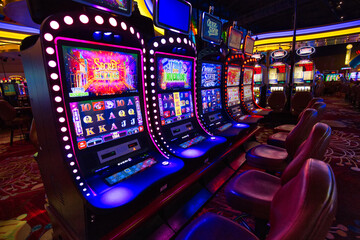
Furthermore, the environment of a casino is meticulously designed to heighten psychological engagement. Bright lights, vivid colors, and the sounds of coins clinking or cheers erupting create a sensory overload that keeps players focused and engaged. This strategically crafted atmosphere is no accident; it is a well-researched tactic that casinos utilize to prolong players’ stays and encourage increased spending. While the blend of risk and reward is enticing, it also lays the foundation for potential gambling-related issues, as individuals may become so engrossed in the thrill that they overlook the financial implications of their actions.
The Role of Cognitive Biases
Cognitive biases play a crucial role in shaping the psychology of gamblers, often leading them to make irrational decisions. One of the most common biases is the illusion of control, where individuals believe they can influence the outcome of random games, such as slot machines or roulette. Gamblers may convince themselves that specific strategies or rituals can sway the odds in their favor, despite the randomness inherent in these games. This false belief can lead to riskier behavior, as players mistakenly think they have a better chance of success than reality would suggest.
Another prevalent cognitive distortion is the law of small numbers, which causes players to make judgments based on limited data. For instance, a gambler might remember a few recent wins and conclude they are on a winning streak, prompting them to continue betting when they should recognize the need to stop. This fallacy generates a false sense of security, leading to excessive gambling as individuals chase losses rather than acknowledging the risks involved. Such cognitive biases can entrap gamblers in a cycle of hope and frustration, complicating their understanding of gambling as an activity.

The narratives shared among gamblers often reinforce these cognitive biases. Players frequently recount their experiences of extraordinary luck and dramatic wins, shaping the perception of gambling as a legitimate path to financial success. This narrative can overshadow the reality that many gamblers ultimately lose money over time, distorting their understanding of the inherent risks. The interplay between cognitive biases and emotional experiences creates a challenging environment where rational decision-making is frequently compromised, leading to a disconnect between perception and reality.
The Impact of Emotion and Motivation
Emotions are a vital factor in the gambling experience, significantly influencing decisions and behavior patterns. Many individuals turn to gambling as a means of escaping negative feelings such as stress, anxiety, or depression, using the thrill of betting as a coping mechanism. This emotional reliance can lead to problematic gambling behavior, as individuals may use gambling as a way to numb their feelings rather than confront the underlying issues. The immediate gratification provided by gambling can create a temporary sense of relief, but it often results in further emotional turmoil and complications in the long run.
Conversely, positive emotions can also drive gambling behavior. The thrill of winning, the joy of social interaction, and the pleasure of participating in games encourage individuals to frequent casinos. This emotional rollercoaster creates a strong attachment to gambling, making it challenging for some to recognize when their behavior becomes problematic. Striking a balance between the emotional highs and lows of gambling is essential for maintaining a healthy relationship with this activity, ensuring that it remains a source of enjoyment rather than distress.
Moreover, motivation plays a central role in the gambling experience. Many gamblers are driven by dreams of wealth and financial independence, often fueled by tales of life-changing wins circulating within gambling communities. This motivation can cloud judgment, leading individuals to make impulsive decisions as they gamble away their savings in pursuit of elusive jackpots. Understanding the intricate relationship between emotion, motivation, and gambling behavior is critical for recognizing when gambling crosses the line into unhealthy territory, prompting individuals to seek help or reevaluate their habits.
The Influence of Environment and Social Dynamics
The casino environment significantly influences gambling behavior. Elements such as lighting, sounds, and the layout of gaming machines are meticulously crafted to create an inviting atmosphere. Casinos often incorporate features like complimentary drinks, comfortable seating, and captivating entertainment to encourage players to stay longer and gamble more. This carefully curated environment can lead to extended gambling sessions, often detracting from players’ awareness of how much time and money they are investing in the activity.
Moreover, the social dynamics at play in a casino setting can profoundly affect individual gambling behavior. The influence of group dynamics can push individuals towards riskier betting practices, as the presence of friends or strangers may amplify emotional responses and create a herd mentality. When surrounded by others engaged in gambling, individuals may feel compelled to take bolder risks, driven by a desire to fit in or impress those around them. This sense of camaraderie can further obscure personal limits and exacerbate gambling problems, underscoring the importance of being aware of these influences.
Additionally, the role of peer pressure in gambling cannot be overstated. Individuals may feel compelled to continue playing, even when they are aware of potential losses, either to maintain social connections or to project an image of success. This external validation becomes intertwined with personal gambling motivations, complicating the ability to separate social experiences from gambling behavior. Understanding these environmental and social influences is vital for recognizing and addressing the complexities of gambling psychology, allowing individuals to cultivate healthier gambling habits and make more informed choices.
Understanding Responsible Gambling
Responsible gambling practices are essential for individuals engaged in this activity, whether in casinos or online platforms. By fostering awareness of the psychological aspects discussed earlier, players can better comprehend their motivations and triggers. Establishing limits on time and money spent on gambling can help individuals enjoy the experience without it becoming detrimental. Many casinos also promote responsible gaming initiatives, offering resources and support for those who may be struggling with their gambling behaviors.
Furthermore, education plays a critical role in advocating for responsible gambling. Understanding the odds, recognizing cognitive biases, and being aware of the emotional components of gambling empowers individuals to make informed decisions. Casinos and organizations can collaborate to develop programs that raise awareness and educate players about the risks involved, helping to ensure a safer and more enjoyable gambling experience for all.
Ultimately, responsible gambling is about balancing enjoyment with awareness. By recognizing the psychological factors that can lead to problematic gambling behavior, individuals can take proactive steps to ensure that their gaming experience remains a source of entertainment rather than a source of stress or financial strain. Promoting a culture of responsibility and education can lead to healthier attitudes towards gambling, enabling players to participate in this activity in a way that is both enjoyable and safe for everyone involved.